Best Home Improvements Before Selling
By Emmanuel Gomez, ECMJ Homes · · 6 min read
Buyers make up their minds faster than most sellers expect. They notice the peeling trim before they notice the updated appliance. They feel worn flooring underfoot before they appreciate the square footage. That is why the right home improvements before selling are usually the ones that make a house feel clean, solid, and well cared for from the first minute.
If you’re getting ready to list a home in Richmond or the surrounding area, the goal is not to remodel everything. The goal is to remove obvious distractions, fix visible damage, and spend money where buyers will actually see the difference. A smart pre-sale approach helps your home show better, photograph better, and compete better without piling on projects that do not pay you back.
What buyers really notice first
Most buyers are not walking through a house with a contractor’s eye. They are reacting to what feels neglected, outdated, or likely to become their problem after closing. Scuffed walls, damaged wood, stained decks, worn cabinets, and soft spots from rot can all create the same impression – this home may need more work than I want to take on.
That is why cosmetic and functional repairs often matter more than expensive upgrades. A home does not need to be brand new to sell well. It does need to feel maintained. In many cases, the best return comes from taking care of the issues that make buyers hesitate.
There is also a pricing factor. When buyers see several visible problems, they usually overestimate what it will cost to fix them. A small repair can turn into a much larger discount request during negotiations. Handling those items before listing can help protect your asking price.
The best home improvements before selling
The strongest pre-sale improvements tend to fall into a simple category: projects that improve first impressions and reduce buyer objections. In older homes especially, that usually starts with paint, flooring, repairs, and exterior cleanup.
Fresh paint gives the fastest visual lift
Few projects change the feel of a house as quickly as painting. Clean, neutral walls make rooms look brighter, larger, and better maintained. They also help buyers picture their own furniture and style in the space.
Interior paint is especially useful if your current colors are dark, bold, or heavily personalized. You do not need to erase all character, but you do want broad appeal. Fresh paint on trim, doors, and high-traffic areas can also make a home feel far newer than it is.
Exterior painting can matter just as much when siding, trim, shutters, or porch areas show wear. Chipping or faded paint sends a maintenance warning before a buyer even walks inside. If the exterior looks tired, buyers may assume the rest of the house has been treated the same way.
Flooring has a bigger effect than many sellers expect
Worn floors pull attention immediately. Scratched hardwood, stained carpet, chipped transitions, or mismatched materials from room to room can make the whole property feel pieced together.
If hardwood floors are in decent shape, refinishing can be a strong move before listing. If the floors are beyond simple touch-ups, replacing damaged sections or installing clean, durable flooring may make more sense. The right choice depends on condition, budget, and price point.
Flooring is one of those improvements buyers feel as much as they see. That makes it especially valuable in showings. A house that feels solid underfoot gives off a very different impression than one that feels worn out.
Wood rot and visible damage should not wait
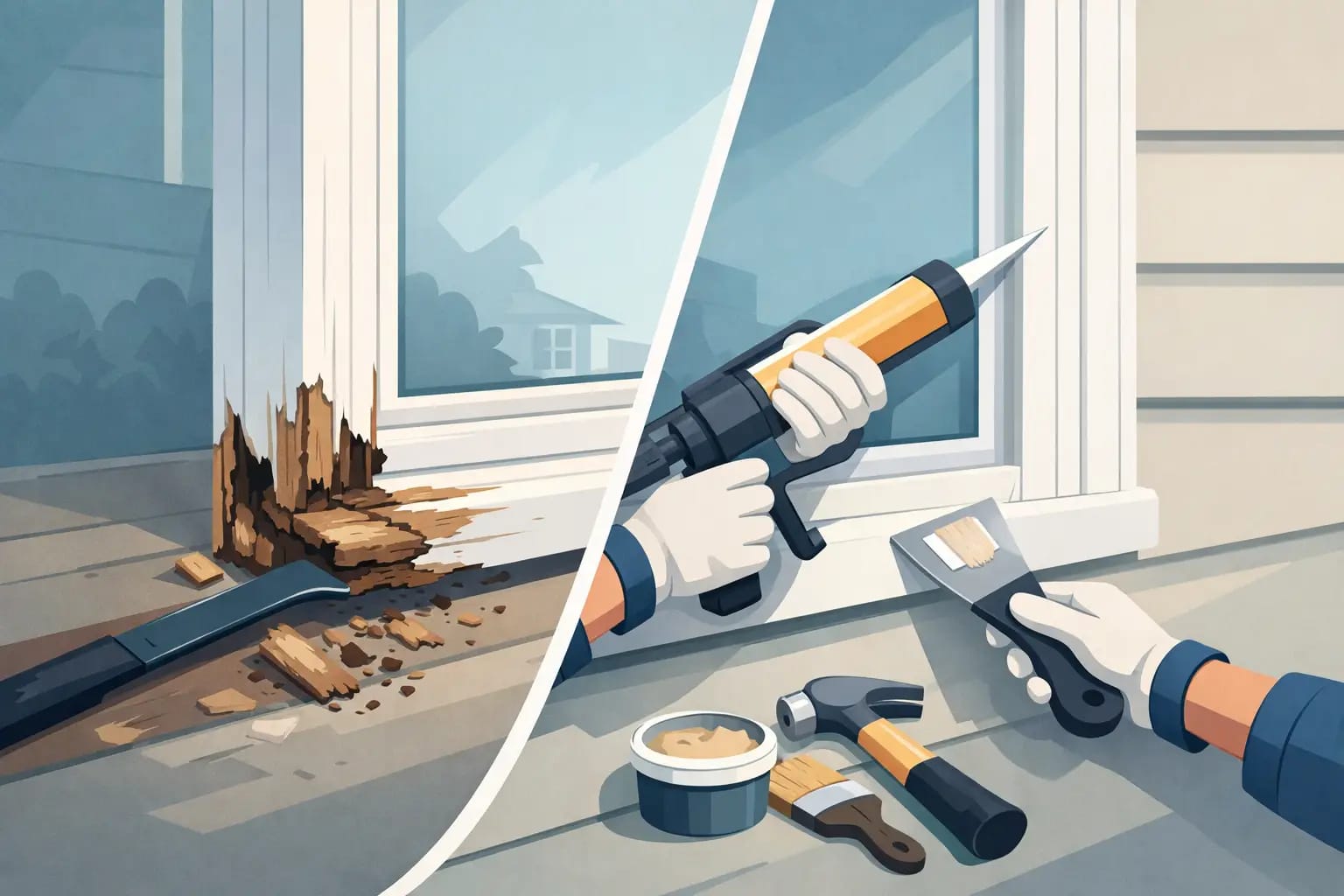
Rot around trim, doors, windows, soffits, or exterior woodwork is more than a cosmetic issue. Buyers see it as deferred maintenance, and inspectors call it out quickly. Even minor areas can raise questions about moisture, hidden damage, and future repair costs.
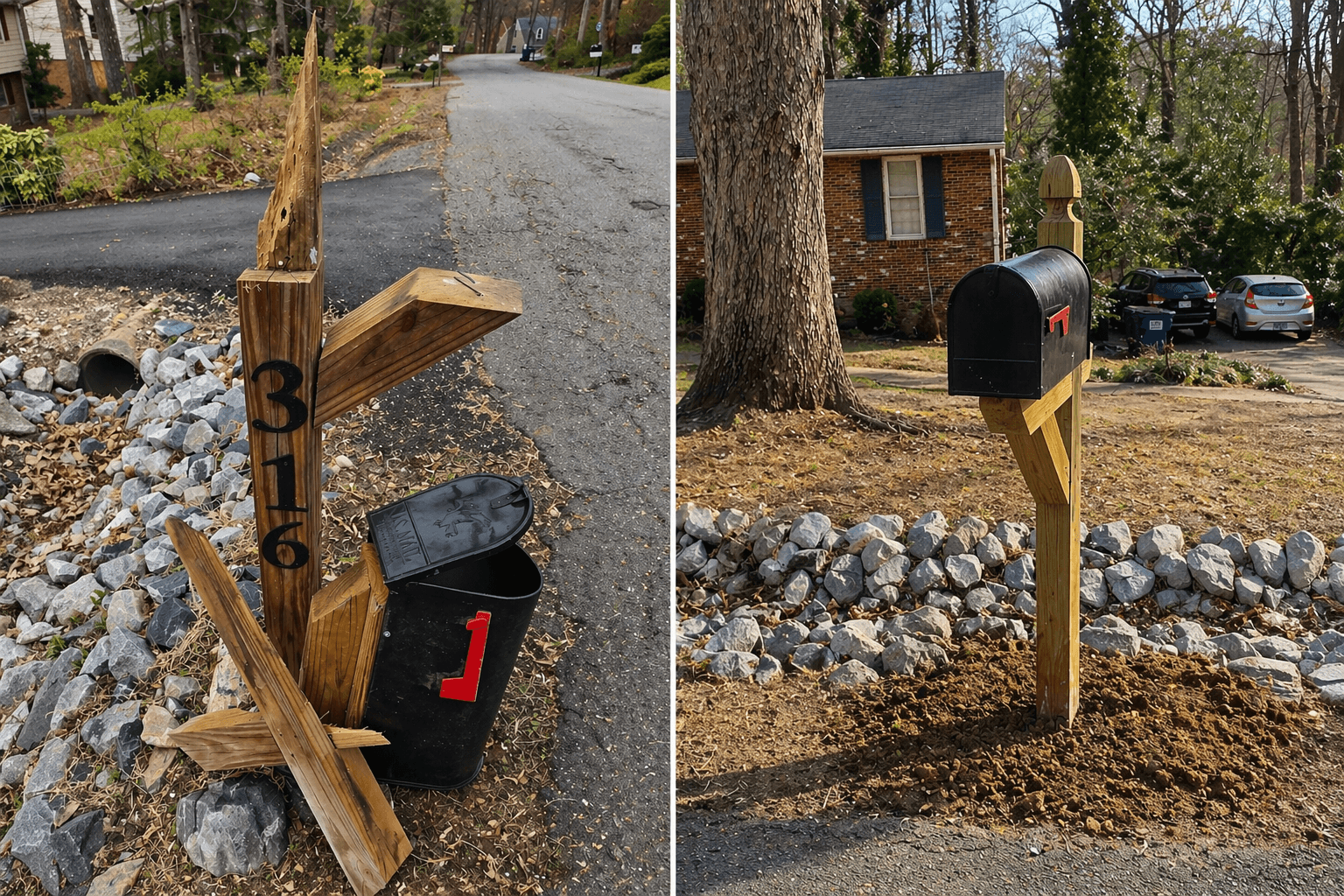
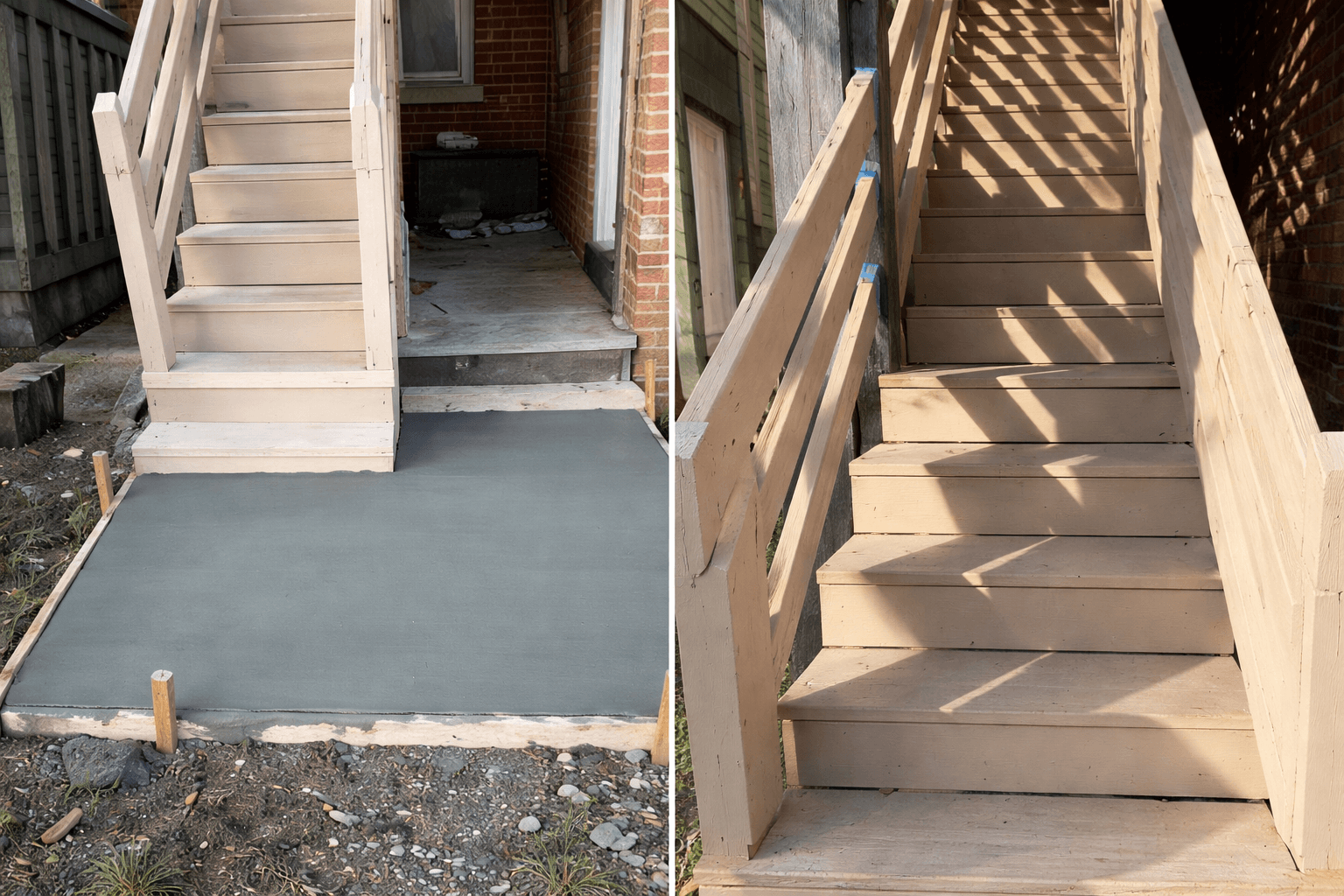
The same goes for loose railings, damaged steps, cracked boards, and other obvious problems. These are not glamorous projects, but they are often some of the most important. They show that the home has been cared for and help prevent small defects from turning into major negotiation points.
For sellers in older Richmond-area homes, this is especially relevant. Wood exposure, humidity, and age can create problem spots that are easy to ignore when you live there every day. Buyers, on the other hand, tend to spot them immediately.
Cabinet refinishing can beat full replacement
Kitchens matter, but a full kitchen remodel before selling is often more than most sellers need. If your cabinet layout works and the doors are in decent shape, refinishing or repainting them can give the room a much cleaner and more current look at a fraction of the cost.
This is a good example of where restraint pays off. Buyers want a kitchen that feels fresh and functional. They do not always need a high-end custom renovation. New cabinet color, updated hardware, and a clean finish can go a long way.
Curb appeal still sets the tone
A buyer’s first impression starts before the front door opens. Dirty siding, dingy walkways, weathered decks, and neglected trim all make a home feel harder to love.
Power washing is one of the simplest ways to improve that first impression. It removes buildup, brightens surfaces, and makes the property look maintained. Deck staining or restoration can also help if outdoor spaces are a selling point. In many homes, the deck or porch is one of the first features buyers imagine using. If it looks rough, that value gets lost.
Curb appeal does not have to mean expensive landscaping. Often, the biggest difference comes from clean surfaces, repaired wood, and a neat, finished appearance.
What not to do before listing
Not every improvement is worth the money. That is where many sellers get off track.
Major custom upgrades usually do not make sense unless the home is in a price range where buyers expect them. A premium remodel in a modest neighborhood can be hard to recover. Highly personal design choices can also limit appeal instead of increasing it.
It is also easy to spend too much in areas buyers barely notice. If your home needs visible repairs, fresh finishes, and exterior cleanup, those should usually come before big-ticket extras. A luxury light fixture will not distract from peeling paint or damaged flooring.
There is also a timing issue. Large renovations can delay your listing and create more moving parts than necessary. If the market is active and the house needs practical improvements more than a full redesign, speed and focus often win.
How to decide which home improvements before selling are worth it
Start with a simple question: what would make a buyer pause or lower their offer? Walk the home as if you were seeing it for the first time. Look at the front entry, the walls, the floors, the trim, the cabinets, and any obvious signs of wear or neglect.
Then separate projects into three groups. First are must-fix items such as rot, damage, peeling paint, loose boards, or anything that looks unsafe or poorly maintained. Second are high-visibility upgrades such as painting, flooring work, cabinet refinishing, and exterior cleaning. Third are nice-to-have items that can wait unless the budget is strong and the rest of the house is already in shape.
This is where it helps to work with one reliable company that can handle multiple projects without sending you in six different directions. For many sellers, the real challenge is not deciding what matters. It is getting the work done quickly, professionally, and within budget. That is one reason homeowners around Richmond often look for an all-in-one team like ECMJ Homes when preparing a property for market.
A practical pre-sale mindset
Selling a home is not about making every room perfect. It is about making the property feel cared for, easy to buy, and easy to move into. Buyers respond to homes that look clean, solid, and ready.
If you focus on paint, flooring, repairs, curb appeal, and visible maintenance issues, you will usually be putting money in the right places. Those are the improvements that help buyers feel confident instead of cautious.
A good pre-sale update plan should make your next step easier, not more complicated. Start with what buyers see first, fix what raises concern, and keep the work practical. The best results often come from steady, well-chosen improvements that make the whole home feel stronger from the moment someone pulls up to the curb.