The Silent Wood-Eater: Is Rot Quietly Destroying Your Richmond Home?
By Emmanuel Gomez, ECMJ Homes · · 4 min read
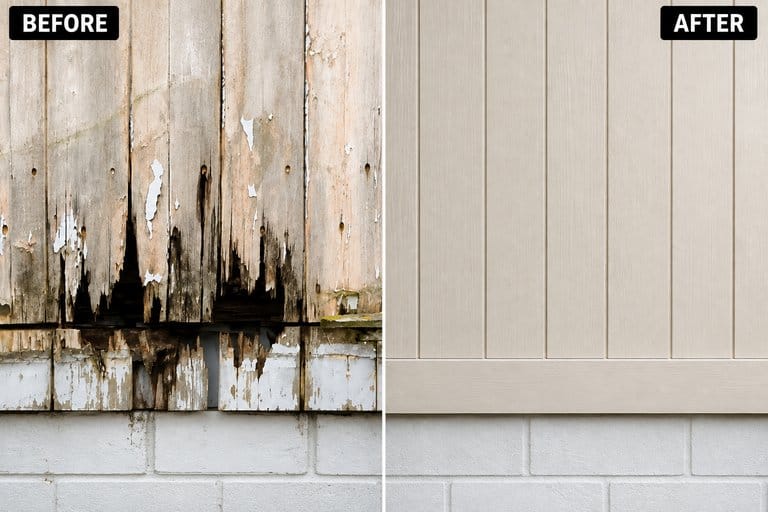
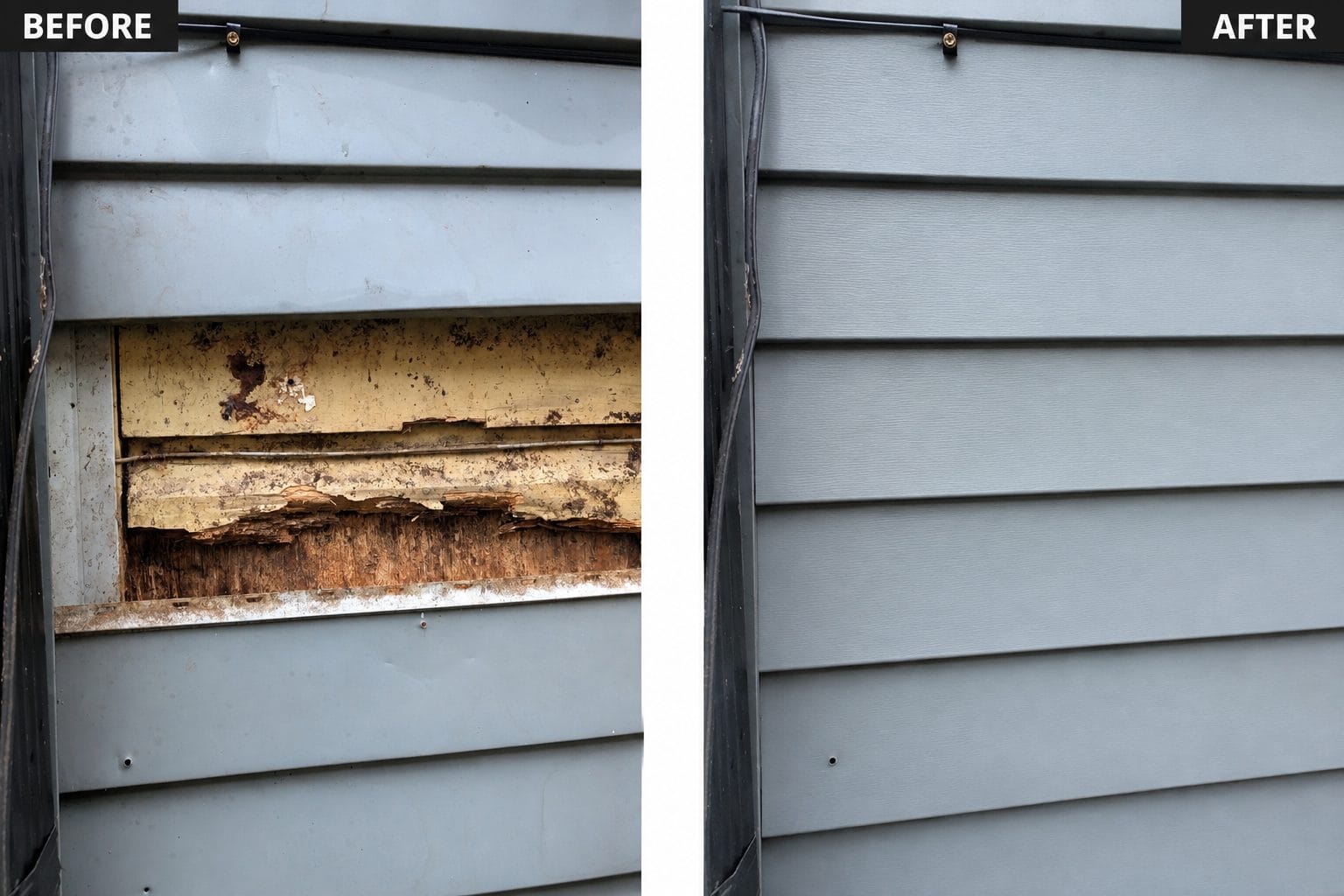
You can’t hear it happening. There’s no crash, no alarm, no warning sign taped to your porch railing. Wood rot works in silence — chewing through the bones of your home one damp, dark day at a time. By the time you notice the soft spot under your foot or the crumbling trim by your window, the damage has usually been spreading for months, sometimes years.
If you own a home in Richmond or Central Virginia, you already live in rot’s favorite climate. Humid summers, wet springs, and that thick Virginia air are basically an open invitation for fungus to move in and start feasting on your wood. The good news? Rot is 100% preventable and, if caught early, 100% fixable — without tearing your home apart or your wallet apart either.
What Exactly Is Wood Rot (And Why Should You Care)?
Wood rot isn’t just “old wood.” It’s a living, spreading fungal infection that needs three things to thrive: moisture, oxygen, and a food source (your home’s wood). Give it all three, and it will happily eat away at your structure while you’re none the wiser.
There are two main culprits homeowners deal with:
Wet rot — the more common troublemaker, caused by prolonged exposure to moisture. It shows up as dark, soft, spongy wood that often smells musty or earthy.
Dry rot — the sneakier, more aggressive cousin. Despite the name, it still needs moisture to start, but once established it can spread through masonry and travel far from the original source, leaving wood cracked, crumbly, and light as balsa.
Either way, once rot sets in, it doesn’t stay put. It spreads to neighboring wood, weakens structural integrity, and can turn a $300 repair into a $10,000 rebuild if ignored long enough.
The Sneaky Spots Rot Loves to Hide
Rot rarely announces itself in the middle of your living room. It prefers the quiet, overlooked corners of your home:
- Window sills and frames — especially older wood windows that catch rain and never fully dry
- Deck posts and railings — where wood meets soil or sits under standing water
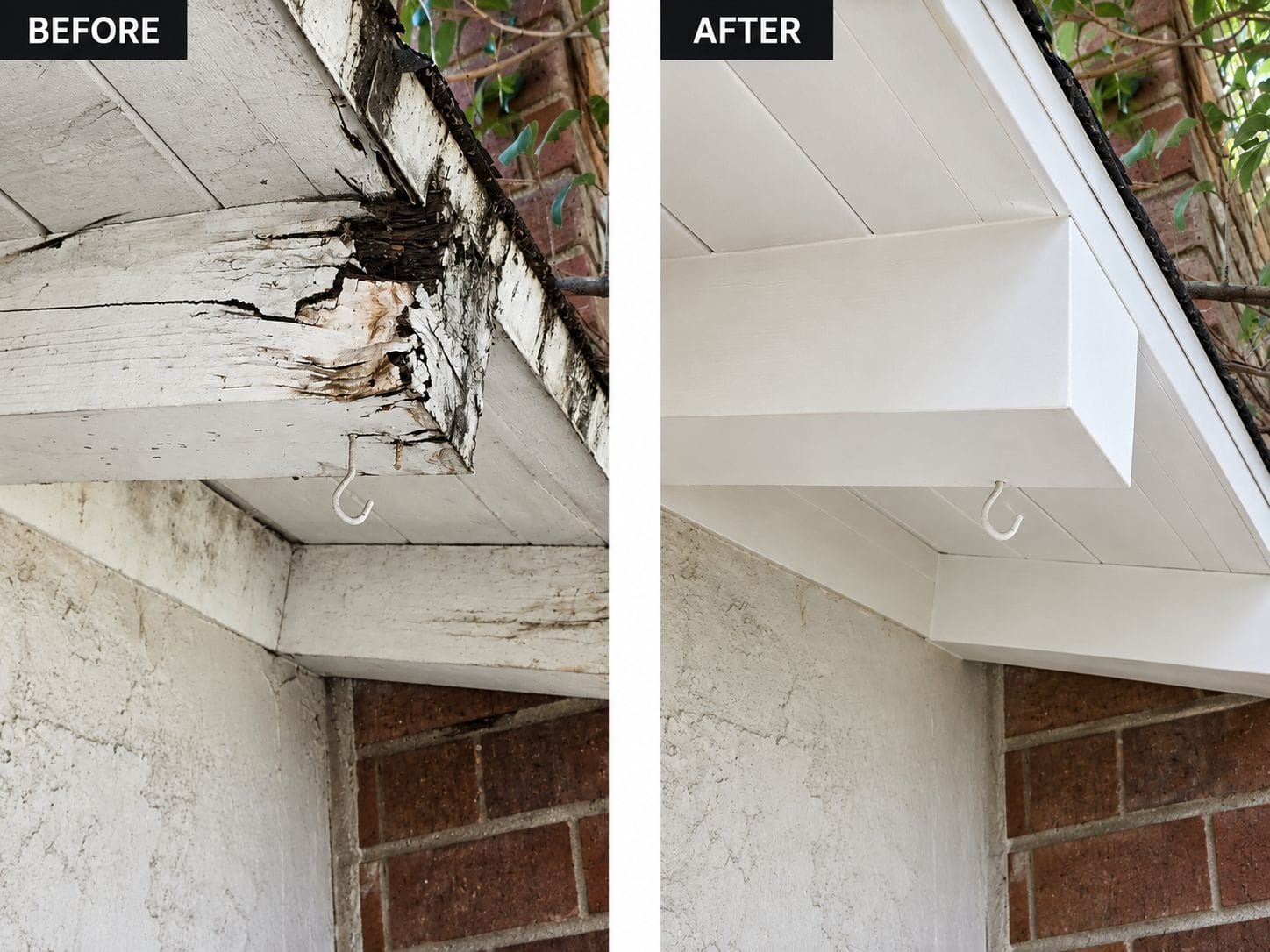
- Fascia and soffits — the trim under your roofline, often ignored until it’s sagging
- Porch columns and steps — constant foot traffic hides early warning signs
- Around gutters and downspouts — a slow leak here can rot framing for years unseen
- Bathroom and kitchen subfloors — hidden leaks under sinks and tubs are a rot factory
If any of these spots on your home haven’t been checked in the last year or two, there’s a good chance something’s brewing.
5 Warning Signs You Shouldn’t Ignore
- Soft or spongy wood that gives when you press it (a simple screwdriver test can reveal this in seconds)
- Paint that’s bubbling, peeling, or cracking in a pattern that doesn’t match sun exposure
- A musty, damp smell near windows, decks, or crawl spaces
- Visible discoloration — dark staining, or wood that looks unusually pale and dry
- Sagging or uneven surfaces on porches, steps, or floors
Catch it at this stage, and repair is usually quick and affordable. Wait, and you’re looking at replacing entire structural members — or worse, dealing with the mold that almost always follows rot’s trail.
Why DIY Rot Repair Usually Backfires
We get it — YouTube makes it look easy. Scrape it out, slap on some wood filler, paint over it, done. The problem is that surface-level fixes almost never address the moisture source that caused the rot in the first place. Cover it up without solving the “why,” and you’ve just hidden a problem that will resurface — usually bigger, and usually behind a wall or under a floor where it’s much harder (and pricier) to fix next time.
Real rot repair means:
- Identifying and correcting the actual moisture source
- Removing 100% of the affected wood, not just what’s visible
- Treating surrounding areas to stop active spread
- Rebuilding with properly sealed, weather-resistant materials
- Making sure it actually matches the rest of your home instead of looking like a patch job
Why Richmond Homeowners Trust ECMJ Homes
At ECMJ Homes, we’ve seen every version of wood rot Central Virginia’s weather can throw at a house — from a quietly failing deck post to fascia boards that looked fine from the ground but were hollow to the touch. We don’t just patch the problem; we track it to the source, fix it properly, and leave your home looking better than before rot ever got a foothold.
Whether it’s a window sill, a porch column, or a full structural repair, our team brings the same level of craftsmanship to every job — because a repair that doesn’t last isn’t really a repair at all.
Don’t wait for the soft spot to become a hole. If you’ve spotted any of the warning signs above — or you just want peace of mind — give us a call.
📞 (804) 719-1657 🌐 ecmjhomes.com
ECMJ Homes — proudly serving Richmond and Central Virginia homeowners with honest, lasting home improvement work.