What Causes Wood Rot in Homes?
By Emmanuel Gomez, ECMJ Homes · · 6 min read
A window trim that feels soft when you press it, a deck board that looks darker than the rest, a door frame with bubbling paint – these are usually not random cosmetic issues. They are often the first signs of a moisture problem. If you have been wondering what causes wood rot in homes, the short answer is simple: wood rot starts when moisture sticks around long enough for fungi to grow and break the wood down.
That simple answer matters because rot rarely stays small. In many Richmond-area homes, especially older ones, wood rot can start outside and move inward before anyone notices. It can affect trim, siding, decks, porch columns, subfloors, window sills, and framing around doors. The longer the wood stays damp, the more likely the damage spreads.
What causes wood rot in homes most often?
Wood rot is not caused by age alone. Wood can last for decades when it stays dry and protected. Rot happens when three conditions come together: moisture, a food source, and the right temperature. Since wood is already the food source, the real trigger is excess moisture.
That moisture can come from obvious places like roof leaks and plumbing leaks, but just as often it comes from slower, less dramatic issues. Poor caulking around windows, clogged gutters, failing paint, deck boards that do not drain well, and soil piled too high against wood siding can all keep wood damp. In a humid climate like central Virginia, that ongoing exposure adds up.
Fungi are the actual organisms that cause the rot. They grow in damp wood and begin to digest the fibers that give wood its strength. Once that process starts, the wood may look stained, cracked, spongy, or crumbly. Sometimes the paint still looks mostly intact, which is why rot gets missed until the damage is more advanced.
The moisture sources that lead to rot
Most wood rot problems trace back to water management. The question is not just whether water is getting in, but whether it has a way to dry out.
Exterior water intrusion
Rain is one of the biggest contributors. Water can enter around windows, doors, roof edges, and trim joints when caulk fails or flashing was never installed correctly. A small gap may not seem urgent, but repeated wetting over months and years can damage the wood behind the surface.
Gutters and downspouts also play a major role. When gutters overflow, water runs down fascia boards, soffits, siding, and foundations. That repeated soaking creates ideal conditions for rot, especially at rooflines and corners where water tends to collect.
Decks and porches are common trouble spots too. Horizontal wood surfaces take direct weather exposure, and if stain or paint has worn off, moisture gets in faster. Boards with poor spacing, trapped leaves, or shaded areas may stay wet much longer after rain.
Interior moisture problems
Not all wood rot starts outside. Bathrooms, kitchens, laundry rooms, and basements can all create enough moisture to damage wood over time. A slow leak under a sink or behind a toilet may go unnoticed until the cabinet base or subfloor becomes soft.
HVAC condensation, poor ventilation, and high indoor humidity can also contribute. This is especially true in crawl spaces and basements where damp conditions linger. Even when there is no major leak, constant moisture in enclosed spaces can weaken wood framing and flooring supports.
Ground contact and poor drainage
Wood that touches soil is at higher risk because it can absorb moisture directly from the ground. Fence posts, porch framing, siding set too low, and exterior trim near mulch beds often deteriorate faster for this reason.
Poor drainage around the house makes the problem worse. If water pools near the foundation after a storm, nearby wood components are more likely to stay damp. Splash-back from hard rain can also soak lower siding and trim repeatedly.
Why paint and stain do not solve everything
Paint and stain are protective, but they are not magic. If water is getting behind the surface through cracks, failed caulk, or end-grain exposure, a fresh coat alone will not stop rot. In some cases, paint can temporarily hide the warning signs while moisture keeps working underneath.
That is why prep matters. Scraping loose paint, repairing damaged sections, sealing joints, and addressing the actual moisture source are what make exterior coatings last. Otherwise, the same problem usually comes back.
For decks, the same principle applies. Stain helps protect wood from water and sun, but if boards are already split, fasteners are loose, or drainage is poor, the finish can only do so much.
Common places wood rot shows up
Wood rot tends to appear where water sits, seeps in, or gets trapped. Window sills and window trim are some of the most common examples because they take direct weather exposure and often have multiple seams. Door frames, especially near the bottom corners, also fail when caulk breaks down or rainwater splashes up from the ground.
On the exterior, fascia boards, soffits, rake boards, siding trim, porch columns, and deck railings are frequent problem areas. On the interior, subfloors around tubs, toilets, dishwashers, and washing machines are worth watching. In older homes, even a minor long-term leak can do more damage than homeowners expect.
The pattern matters. If rot is isolated to one small section, the repair may be straightforward. If several nearby components are soft, stained, or separating, there may be a larger moisture issue behind them.
Early signs homeowners should not ignore
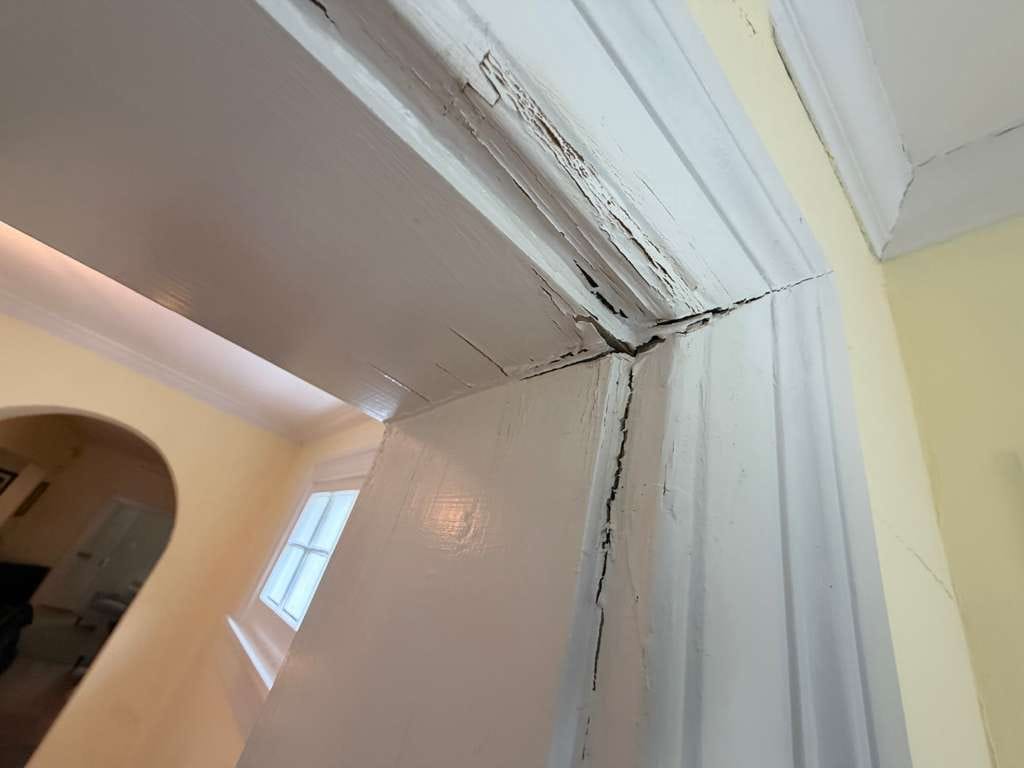
Rot does not always announce itself with a hole in the wood. In many cases, the early clues are more subtle. Paint may bubble or peel in one concentrated area. Wood may look darker than surrounding boards. Caulk joints may keep opening up. A board may feel soft when pressed with a screwdriver, or sound hollow compared with solid wood nearby.
You might also notice musty smells, sagging surfaces, cracked trim, or nails that no longer hold tightly. Doors and windows can start sticking if surrounding framing has been affected by moisture. None of these signs confirm the full extent of damage on their own, but they are strong reasons to take a closer look.
Why some homes are more vulnerable than others
Older homes often face a higher risk simply because materials have had more time to wear down. Paint ages, caulk shrinks, flashing details may be outdated, and previous repairs may not have addressed the root cause. That does not mean newer homes are immune. Poor installation, rushed construction details, and neglected maintenance can create rot issues much earlier.
Shaded lots, heavy tree cover, and limited airflow can also increase risk by slowing how fast exterior wood dries after rain. Homes with deferred gutter cleaning or irregular exterior maintenance usually see more moisture-related damage over time.
Rental properties can be especially vulnerable when small leaks go unreported or routine exterior upkeep gets delayed between tenants. For landlords and property managers, catching problems early usually costs far less than waiting for visible structural damage.
Repairing rot the right way
The right repair depends on how far the damage has gone. Sometimes a small, isolated section of trim can be removed and replaced without affecting nearby materials. In other cases, the visible rot is just the surface clue, and the framing or sheathing behind it also needs attention.
A good repair does two things: it removes damaged wood and corrects the moisture source that caused it. If either part gets skipped, the problem tends to return. That might mean replacing trim, resealing joints, improving drainage, repainting exposed areas, or rebuilding sections of a deck or porch with better protection in place.
This is where working with a practical, local contractor matters. A repair should not be larger than necessary, but it should be thorough enough to last. ECMJ Homes handles wood rot repair with that balance in mind – fix the damage, address the cause, and leave the home stronger and better protected.
How to reduce the risk going forward
Preventing wood rot is mostly about keeping water moving away from the house and giving materials a chance to dry. Clean gutters, sound caulking, quality exterior paint, proper grading, and routine checks around windows, doors, decks, and rooflines all make a difference.
It also helps to pay attention after heavy rain. If you notice standing water, drips where there should not be any, or exterior wood that stays damp long after everything else has dried, that is a useful warning sign. The same goes for indoor areas near plumbing fixtures and appliances.
The good news is that wood rot is often manageable when caught early. A soft board or damaged trim piece does not always mean a major rebuild. But waiting rarely improves the situation. When moisture has a way in, it keeps working. The smartest move is to deal with the cause while the repair is still simple, affordable, and limited to one area instead of several.