5 Signs It’s Time to Repaint Your Home (and What to Do Next)
By Emmanuel Gomez, ECMJ Homes · · 4 min read
Your paint job is more than curb appeal — it’s the first line of defense between your siding and Richmond’s humid summers, sudden storms, and freezing winter snaps. When that protective layer starts to fail, small problems can turn into expensive repairs fast. Here are five signs it’s time to call in the pros, and what to do once you spot them.
1. Paint Is Peeling, Bubbling, or Cracking
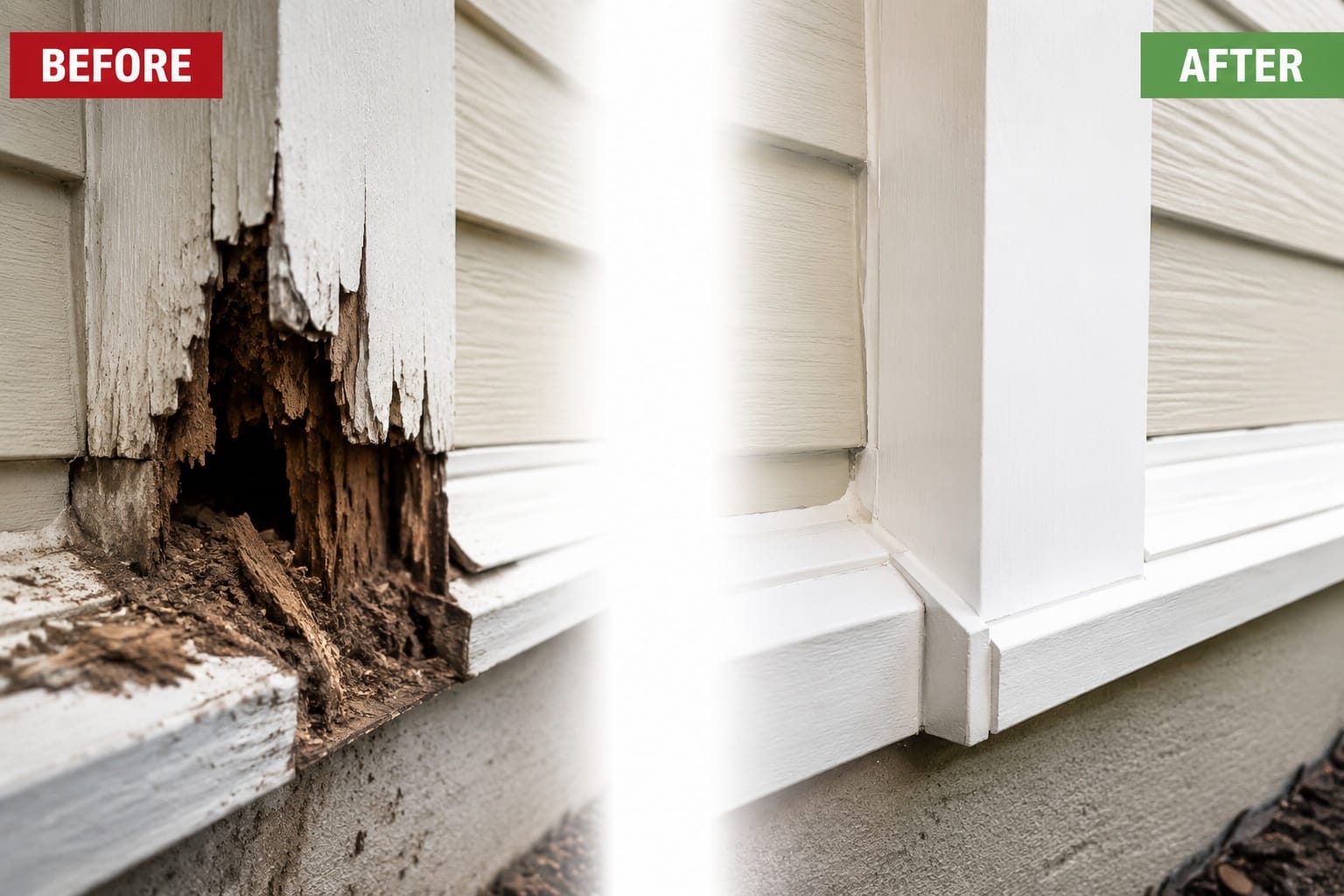
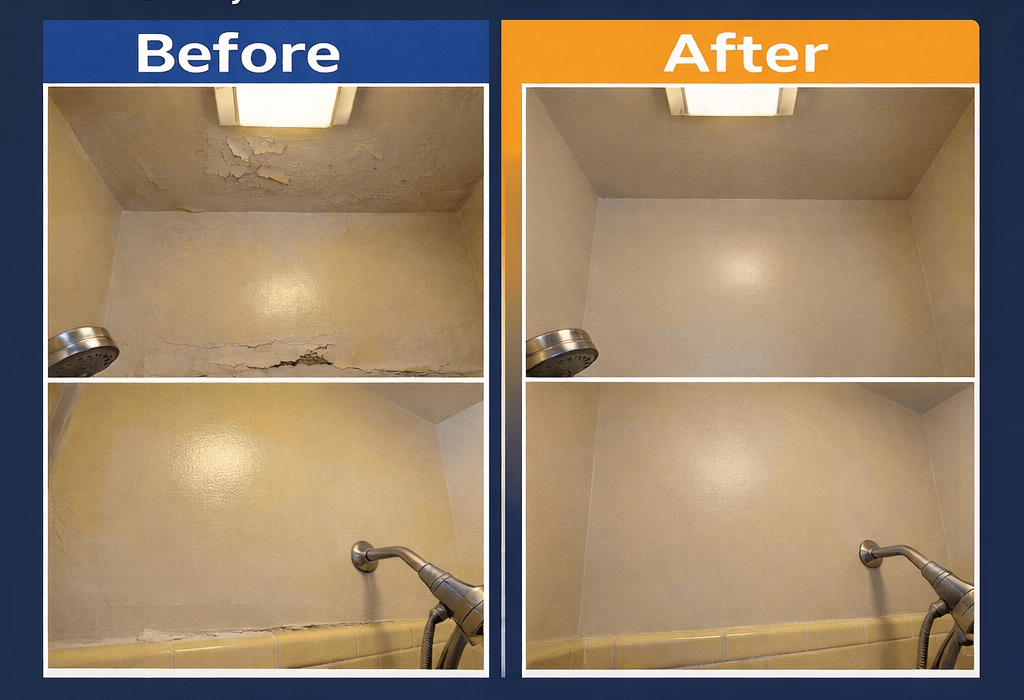
This is the most urgent warning sign on the list. When paint lifts away from the surface, it usually means moisture has already worked its way underneath — and wherever moisture goes, rot and mold tend to follow close behind. Bubbling often points to trapped heat or humidity beneath the paint film, while cracking (especially the alligator-pattern kind) shows up when paint has lost its flexibility and can no longer move with the seasonal temperature swings we get in Central Virginia.
What to do: Don’t wait for a small patch to spread. Isolated touch-ups can work for minor spots, but once you’re seeing peeling in multiple areas or along joints and trim, it’s time to have the whole surface assessed and repainted.
2. The Color Has Faded or Looks Uneven
Years of sun, rain, and snow will eventually dull even the best paint job. Fading isn’t just cosmetic — it’s usually the first sign that your paint has stopped doing its job of shielding the wood or siding underneath. If your house doesn’t look as vibrant as it used to, or the color seems patchy in some spots and not others, that’s your home telling you it needs attention.
What to do: A fresh coat instantly restores curb appeal and gives you a chance to update to a color that fits current trends — just take your time choosing it, since repainting the whole exterior isn’t something you want to redo next year.
3. Chalking or a Powdery Residue on the Siding
Run your hand across an exterior wall. If a chalky white residue comes off on your palm, that’s a sign the paint is oxidizing as it ages. A little chalking is normal over time, but heavy chalking means the surface has lost most of its protective ability.
What to do: Heavy chalking is a strong signal to schedule a repaint before the underlying material is left exposed to Richmond’s humidity and seasonal storms.
4. Visible Mold, Mildew, or Dark Staining
Dark streaks or fuzzy growth on your siding mean moisture has already found a way in. These aren’t just unsightly — they actively break down the paint and, eventually, the siding material itself. If you find yourself pressure-washing the same spots year after year just to keep mildew at bay, that’s a losing battle.
What to do: A one-time cleaning won’t solve the underlying issue. The surface needs to be properly cleaned, treated, and repainted with a mildew-resistant exterior formula so the problem doesn’t just come back next season.
5. Cracked Caulking Around Doors and Windows
Caulking seals the gaps around windows, doors, and where trim meets siding. Once it starts to crack or pull away, those gaps let in rain, pests, and drafts — and that moisture works its way behind the paint and into the wood.
What to do: Recaulking should go hand-in-hand with repainting. Sealing gaps without refreshing the paint (or vice versa) leaves half the problem unsolved.
How Often Should You Really Repaint?
There’s no single answer — it depends on your siding material, paint quality, and climate:
- Wood siding: every 3–7 years, especially in humid or harsh climates
- Vinyl siding: typically every 5–10 years
- Stucco or brick: usually every 5–10 years, sometimes longer if it’s holding up well
Central Virginia’s mix of hot, humid summers and cold winter snaps tends to push homes toward the shorter end of these ranges, which is why regular inspections matter more than sticking to a fixed schedule.
Why Acting Early Saves You Money
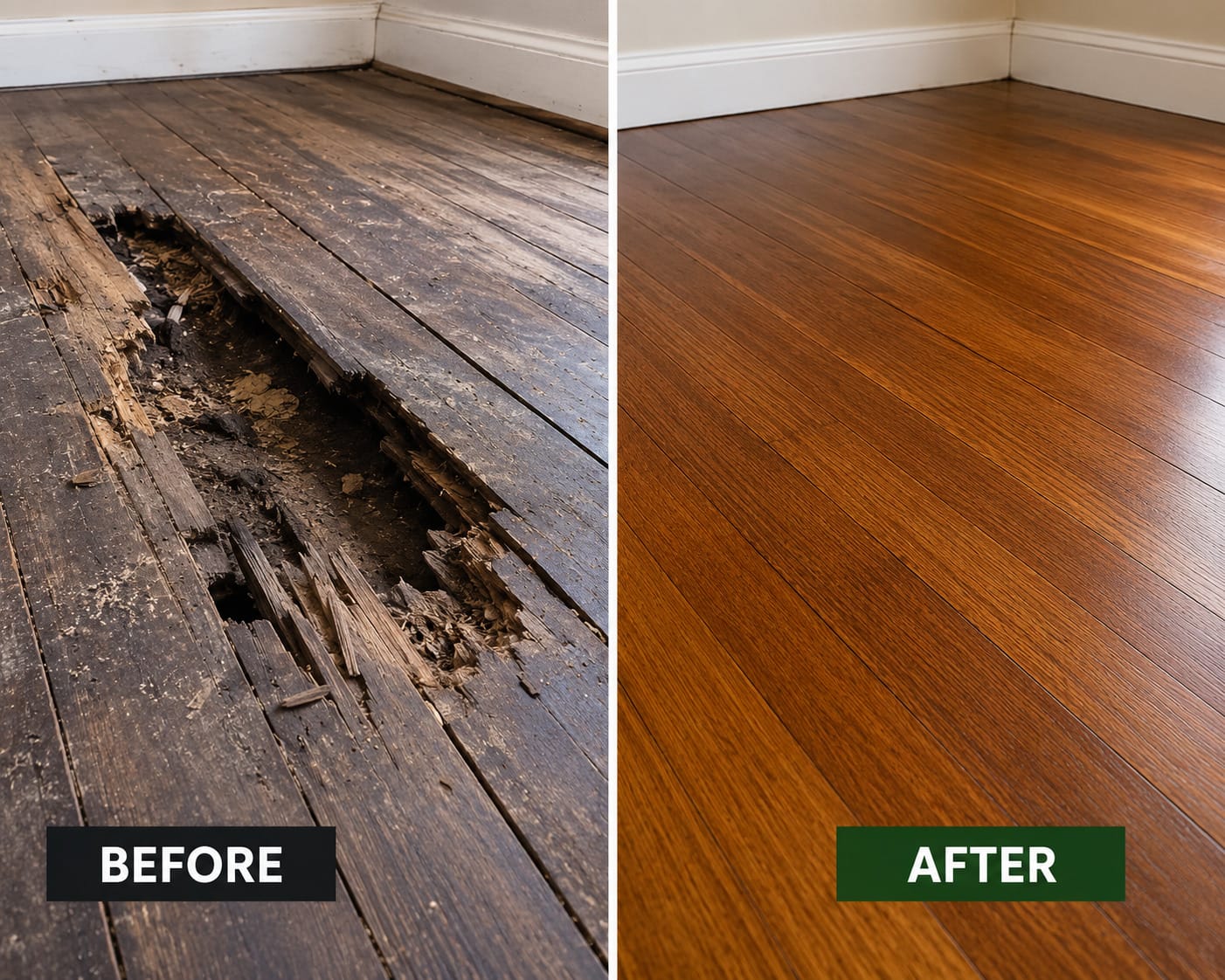
Every one of these warning signs starts small. Peeling paint left unaddressed leads to rotting wood. Cracked caulk left unsealed leads to water damage behind the walls. What could have been a straightforward repaint turns into a repair project involving wood replacement, mold remediation, or structural work — all of which cost far more than the paint job itself would have.
Ready for a Fresh Coat?
If your home is showing one or more of these signs, ECMJ Homes can help. We serve homeowners throughout Richmond and the greater Central Virginia area with expert painting, wood rot repair, and general handyman services — so if repainting uncovers a deeper issue, we can handle that too, all under one roof.
📞 Call us at (804) 719-1657 🌐 Visit ecmjhomes.com to request a free estimate
Don’t wait for small damage to become a big bill. Reach out today and let’s give your home the protection and curb appeal it deserves.