9 Best Repairs Before Listing Home
By Emmanuel Gomez, ECMJ Homes · · 6 min read
A buyer can forgive a dated light fixture. They usually will not forgive peeling paint, soft wood, or floors that look neglected. When sellers ask about the best repairs before listing home, the right answer is not to renovate everything. It is to fix the issues buyers notice first, question most, and use to negotiate your price down.
In the Richmond area, that often means giving extra attention to older siding and trim, worn flooring, tired paint, and exterior surfaces that show weather and age. The goal is simple: make the home feel cared for, solid, and move-in ready without spending money where buyers will not give you a return.
How to choose the best repairs before listing home
Before you start, think like a buyer walking up for the first time. They are not looking at your home the way you do. They do not know the history, the upgrades behind the walls, or the reason something was left for later. They see clues. Fresh paint suggests upkeep. Rot suggests hidden problems. Clean exterior surfaces suggest a home that has been maintained.
That is why pre-listing repairs should focus on visible condition, functional concerns, and anything that creates doubt. If a repair improves first impression and removes a likely objection, it usually belongs on the list. If it is expensive, highly personal, or unlikely to matter during showings, it may not.
Start outside, where buyers form their opinion fast
Curb appeal is not just about looks. It sets the tone for the whole showing. If the exterior feels neglected, buyers expect trouble inside.
Repair wood rot before it spreads the wrong message
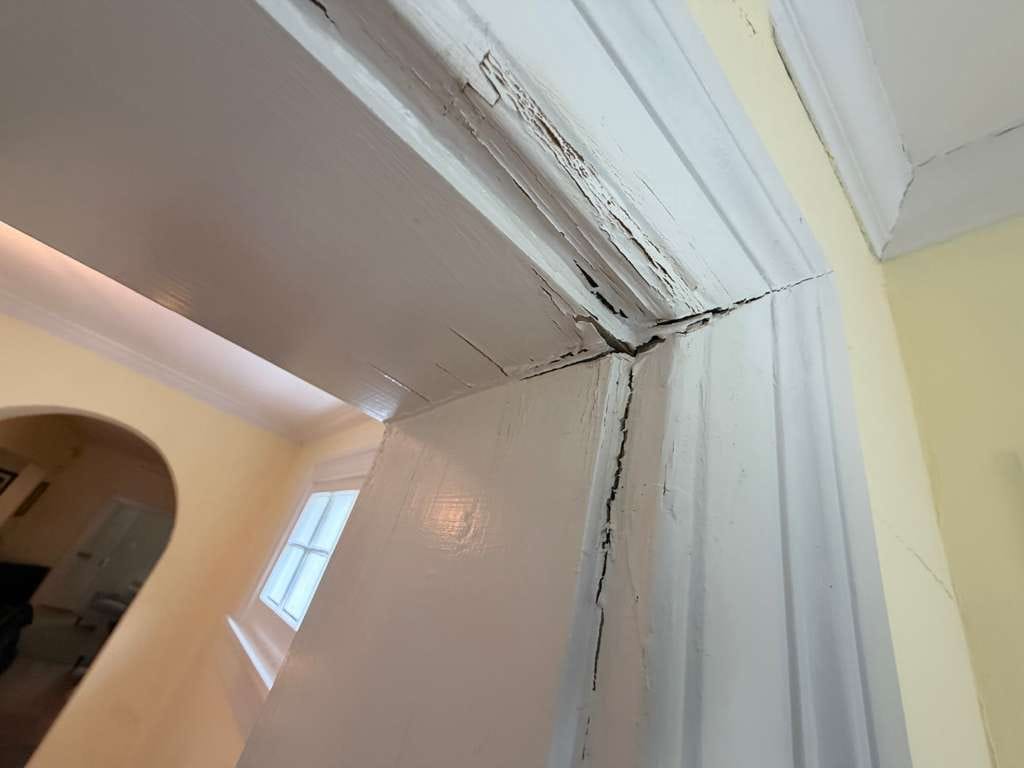
Wood rot is one of the clearest red flags on a home exterior. It often shows up on trim, fascia, columns, door frames, railings, and other areas exposed to moisture. Even small sections can make buyers wonder what else has been ignored.
This is one of the best repairs to make before listing because it improves appearance and removes a functional issue at the same time. A proper repair also protects the home from further damage, which matters if the house sits on the market for a while or if inspections bring extra scrutiny.
Freshen exterior paint where it counts
You do not always need a full exterior repaint. Often, targeted painting on trim, shutters, doors, railings, and repaired areas makes a big difference. Buyers notice fading, peeling, and patchy surfaces right away because they signal work and expense.
Fresh exterior paint helps the house look cleaner and more cared for. It also photographs better, which matters before anyone ever pulls into the driveway.
Power wash siding, walkways, decks, and concrete
This is one of the most affordable ways to improve first impression quickly. Dirt, mildew, pollen, and grime can make a house look older than it is. A good power wash brings back brightness and helps other features stand out.
For Richmond homeowners, where seasonal buildup is common, this can be a high-value step. Clean surfaces make the property feel maintained without changing anything major.
Fix the surfaces buyers see and touch inside
Once buyers step indoors, condition matters more than style. A home can be a little dated and still sell well if it feels clean, solid, and ready.
Repaint walls with a clean, neutral finish
Interior painting is one of the safest pre-listing investments because it changes the feel of the whole house. Scuffed walls, bold colors, stains, and uneven touch-ups make rooms seem more worn than they are. Clean, neutral paint brightens spaces and helps buyers focus on the home instead of your color choices.
This does not mean every room has to be white. It means choosing simple, buyer-friendly colors that make the home feel fresh. If the budget is limited, prioritize the entry, main living areas, kitchen, hallways, and any room with visible damage.
Address flooring that looks tired or damaged
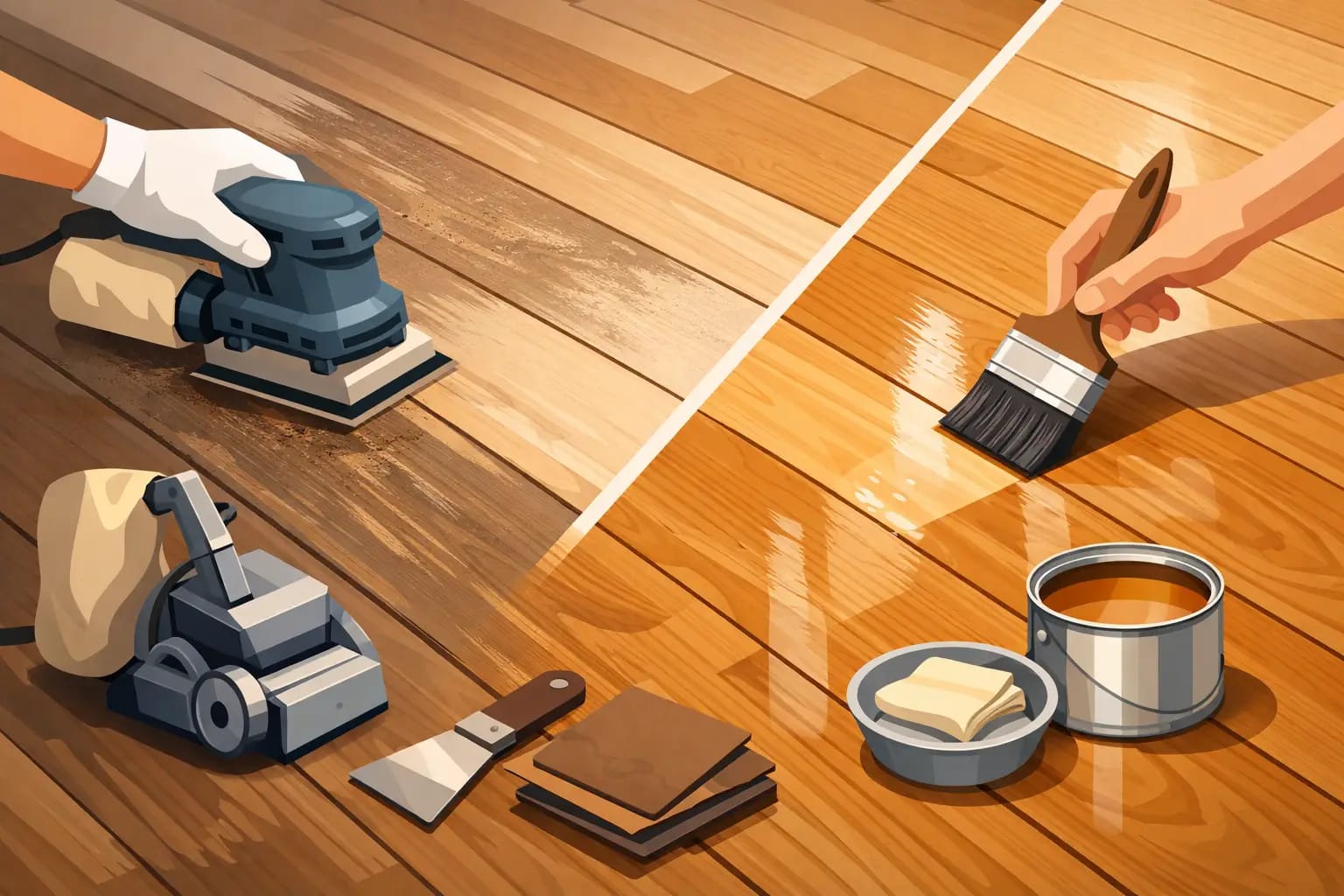
Worn floors can drag down an otherwise well-kept house. Scratches, stains, lifting edges, mismatched patches, and dull finishes all stand out during showings. Flooring also affects how clean a home feels, even when everything has been picked up.
If you already have hardwood floors, refinishing may be enough. If sections are badly worn or damaged, replacement could make more sense. For rental properties or budget-conscious sellers, durable and clean-looking flooring often offers better value than trying to preserve materials that have passed their best years.
The key is consistency. Buyers respond better to flooring that feels intentional and in good condition than to a mix of half-updated surfaces.
Refinish cabinets instead of replacing them
Kitchens sell homes, but a full kitchen remodel before listing is usually more than most sellers need. Cabinet refinishing can give the room a cleaner, more current look without the price tag of replacement. If cabinets are structurally sound but dated, this is often enough to improve buyer perception.
This is especially useful in homes where the kitchen layout works fine but the finish feels tired. Clean, refreshed cabinets paired with repaired hardware and a well-painted space can make the kitchen feel much more marketable.
Take care of the small repairs buyers use against you
Minor issues add up fast during showings. One loose handle or cracked trim piece may not seem serious, but several small flaws together make buyers think the property has been neglected.
Handle obvious handyman items before they become inspection notes
Loose doors, sticking drawers, damaged trim, broken hardware, missing caulk, cracked wall patches, and wobbly railings all fall into this category. These are not glamorous repairs, but they help the home feel finished.
This is where many sellers lose momentum. They spend on decor and skip the practical fixes that buyers notice up close. A home that functions smoothly creates confidence. A home full of little annoyances creates doubt.
Make sure decks, steps, and railings feel safe
Outdoor living space matters, especially when buyers imagine how they will use the property. If a deck looks weathered, splintered, or unstable, it becomes a liability instead of a selling feature. Staining, board replacement, fastening loose areas, and restoring railings can turn that space back into an asset.
The same applies to front steps and porch railings. Safety and appearance go together here. Buyers want to feel comfortable walking the property, not cautious.
Know what not to fix before listing
Not every project is worth doing before a sale. Some repairs cost too much for the return, while others are too taste-specific to help.
A full remodel is often unnecessary if the home is clean, functional, and priced correctly. Custom upgrades that reflect personal style may not add value for the next owner. And if a system is old but working properly, the smarter move may be to price with that in mind rather than replace it at the last minute.
There is also a difference between visible wear and hidden age. Buyers react more strongly to what they can see during a showing. Fresh paint, sound trim, good flooring, and clean exterior surfaces can do more for perceived value than spending heavily on improvements they may never notice.
Where to spend first if your budget is limited
If you cannot do everything, focus on repairs that affect first impression and buyer trust. In most cases, that means exterior cleanup, wood rot repair, interior painting, flooring improvements, and basic handyman fixes. Those projects tend to give sellers the clearest visual return.
A good rule is to choose repairs that make the home look maintained rather than remodeled. Buyers are not always looking for luxury. Most are looking for fewer problems, fewer surprises, and less work after closing.
For many Richmond-area sellers, the best results come from bundling practical pre-listing work with one dependable crew instead of trying to manage multiple contractors on a tight timeline. That is often where an all-in-one company like ECMJ Homes can save time and keep the job moving.
The best repairs before listing home depend on the home itself
A newer property may only need paint touch-ups, washing, and a few minor fixes. An older home may need more attention on trim, floors, and exterior wood condition. A rental property might call for durable updates that clean up well and hold up through showings. It depends on age, condition, neighborhood expectations, and how quickly you need to list.
What does not change is the goal. You want buyers to walk in and feel that the home has been cared for. That feeling affects offers more than many sellers realize.
If you are deciding where to start, look for the repairs that remove hesitation. Fix what is damaged. Clean what is dirty. Refresh what feels worn. The right pre-listing work does not just help a home look better. It helps buyers feel better about saying yes.