From Soft to Structural: What Wood Rot Really Costs Richmond Homeowners
By Emmanuel Gomez, ECMJ Homes · · 6 min read
That Soft Spot on Your Trim Isn’t “Just Weathering”
You press your thumb against a windowsill and it sinks in like wet cardboard. Or you notice a dark, crumbly patch on your porch column that wasn’t there last spring. If any of that sounds familiar, you’re not imagining things — that’s wood rot, and in Richmond’s humid climate, it doesn’t wait around.
Here in Central Virginia, our summers are thick with moisture and our winters swing between freeze and thaw. That combination is basically a welcome mat for the fungi that cause wood rot. Left alone, what starts as a coin-sized soft spot on a fascia board can turn into a structural repair costing thousands more than if it had been caught early.
At ECMJ Homes, we repair wood rot all over Richmond and the surrounding areas — porches, decks, window trim, siding, fascia, soffits, and more — and we wanted to put together a straightforward guide to help homeowners catch it early, understand what causes it, and know what real repair (not a quick caulk-and-paint cover-up) actually looks like.
What Exactly Is Wood Rot?
Wood rot is caused by fungi that feed on wood fibers, but they can only do that in the presence of moisture — typically wood with a moisture content above 20%. There are two main types homeowners run into:
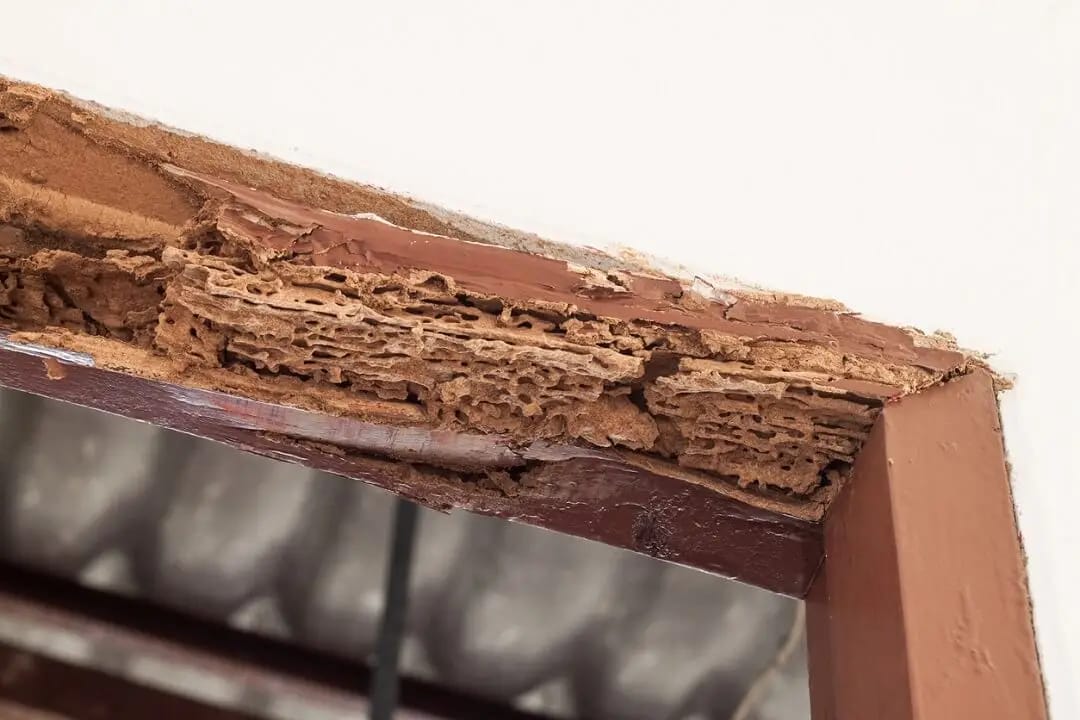
- Brown rot: Breaks down the wood’s structure, leaving it dark, brittle, and crumbly — it often cracks into small cube-like chunks. This is the more common (and more damaging) type in our region.
- White rot: Leaves wood looking bleached, stringy, and spongy. Less common on structural framing, but still a problem on trim and siding.
Both types spread as long as moisture keeps feeding them, and both compromise the strength of whatever they’re eating away at — which is exactly why “it’s just cosmetic” is a dangerous assumption.
The Usual Suspects: Where Wood Rot Shows Up in Richmond Homes
If you want to do a quick self-check, these are the spots we find rot most often on service calls:
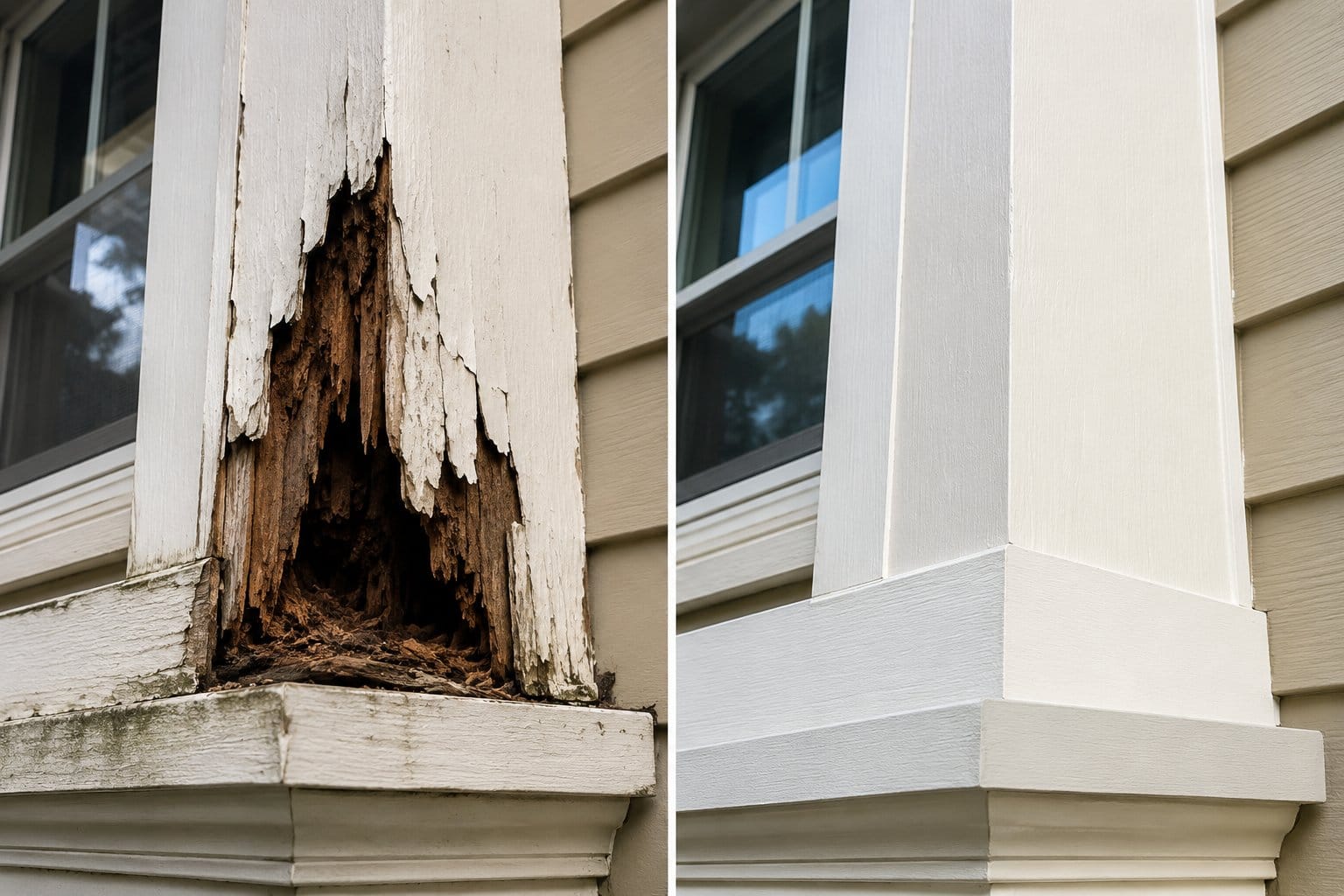
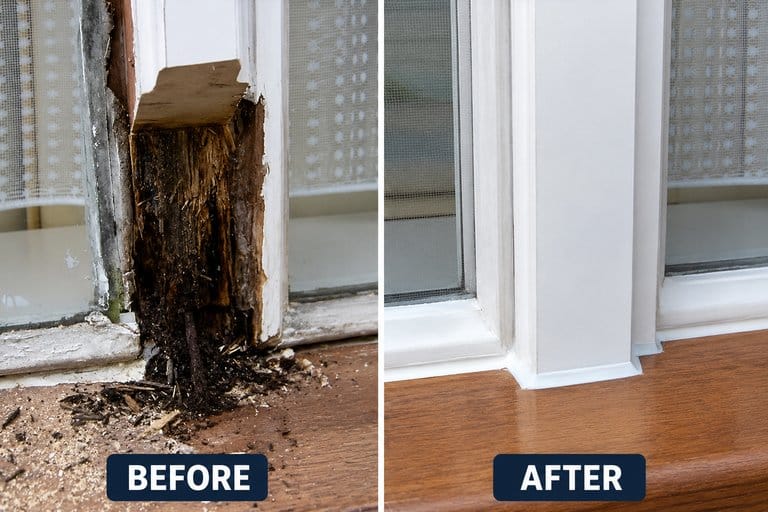
- Window and door trim — especially bottom corners, where water collects and wicks in through joints
- Porch columns and railings — constant exposure to rain and sun, plus ground contact on older homes
- Deck ledger boards and joists — hidden from view, often the most structurally serious
- Fascia and soffits — clogged gutters send water straight into these boards
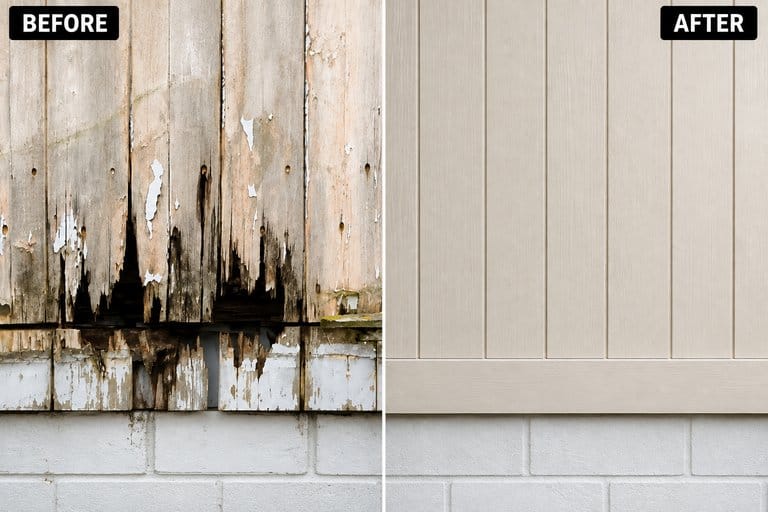
- Siding, especially at the base — splash-back from sprinklers, poor grading, or missing flashing
- Sills and door thresholds — where foot traffic wears through paint and moisture sneaks in
If any of these sound like areas of your home you haven’t looked at closely in a while, it might be time to.
5 Signs You Have Wood Rot (Before It’s Obvious)
You don’t need to wait until wood is visibly falling apart. Catch it early with these checks:
- The screwdriver test: Press a screwdriver or your thumb into suspect wood. Healthy wood resists; rotted wood gives way or feels spongy.
- Peeling or bubbling paint: Paint holds moisture underneath, which is often the first visible clue something’s wrong beneath the surface.
- A musty smell near exterior walls, decks, or crawlspaces.
- Discoloration — dark staining, or a lighter, bleached look, depending on the rot type.
- Sagging or uneven surfaces on decks, porch floors, or railings — a sign the wood has already lost structural integrity.
Catching rot at this stage usually means a targeted repair. Waiting means replacement — of the wood, and sometimes of whatever it was supporting.
Why Wood Rot Repair Shouldn’t Wait
Wood rot doesn’t stay in its lane. A rotted deck ledger board can affect the safety of the entire deck structure. Rotted trim around a window can let water into wall framing, leading to mold and drywall damage you won’t see until it’s a much bigger job. And structurally, rot spreads outward from its source, meaning every month it goes unaddressed, the repair area — and the price tag — tends to grow.
There’s also the resale angle: for Richmond homeowners thinking about selling in the next few years, visible wood rot is one of the fastest ways to spook a buyer or trigger a home inspection red flag.
How ECMJ Homes Repairs Wood Rot the Right Way
A lot of “repairs” out there amount to scraping, filling with putty, and painting over the problem. That might look fine for a season, but it doesn’t address the moisture source or the compromised wood underneath — and the rot comes right back.
Here’s how we approach it:
- Inspect thoroughly — we check not just the visible damage, but surrounding areas and the moisture source causing it
- Remove all affected wood — cutting back to solid, healthy material, not just the obviously soft parts
- Address the moisture source — whether that’s a gutter issue, poor flashing, grading, or a caulking failure, fixing the cause matters as much as fixing the wood
- Replace or rebuild with quality materials — matched to your home, including rot-resistant or treated lumber where it makes sense
- Prime, paint, and seal — protecting the repair so it lasts, not just looks good on day one
Whether it’s a single trim board or a full porch rebuild, we treat every repair like it’s going on our own house.
Wood Rot Repair Cost in Richmond, VA: What Affects the Price
Every job is different, but a few factors drive cost:
- Extent of the rot — a small trim repair vs. structural deck or framing work
- Accessibility — second-story trim or hard-to-reach areas take more time
- Material match — matching existing siding, trim profiles, or railing styles
- Underlying cause — sometimes a repair also means addressing a gutter, flashing, or drainage issue
We provide free, honest estimates so you know exactly what you’re dealing with before any work starts — no surprise add-ons.
Don’t Let a Small Soft Spot Become a Big Problem
If you’ve spotted soft, discolored, or crumbling wood anywhere on your home — or you’re just not sure and want a second opinion — ECMJ Homes is here to help. We serve Richmond and the surrounding Central Virginia area, and we’re happy to take a look, tell you honestly what we see, and give you a straightforward plan to fix it.
Call or text (804) 719-1657 or visit ecmjhomes.com to schedule your free wood rot inspection today.
Frequently Asked Questions
How do I know if wood rot has spread into my home’s framing? If trim, siding, or decking near a wall is rotted, there’s a real chance moisture has reached the framing behind it. A thorough inspection — sometimes with a moisture meter — is the only way to know for sure. If you suspect this, don’t wait to get it checked.
Can wood rot be stopped, or does the wood have to be replaced? It depends on severity. Very early-stage surface rot can sometimes be treated with wood hardener and epoxy fillers. Once wood is structurally compromised, though, replacement is the only real fix.
How long does a typical wood rot repair take? Small trim or siding repairs can often be done in a day. Larger jobs — like a rotted deck structure or multiple areas of siding — may take several days depending on scope.
Is wood rot covered by homeowners insurance? Usually not, since it’s considered a maintenance issue rather than a sudden, accidental event. That’s exactly why catching it early — before it becomes a bigger structural issue — matters.
ECMJ Homes is a Richmond, VA-based home improvement company offering wood rot repair, handyman services, painting, and more. Call (804) 719-1657 or visit ecmjhomes.com for a free estimate.