Wood Rot Doesn’t Knock First: How to Catch It Before It Costs You Thousands
By Emmanuel Gomez, ECMJ Homes · · 3 min read
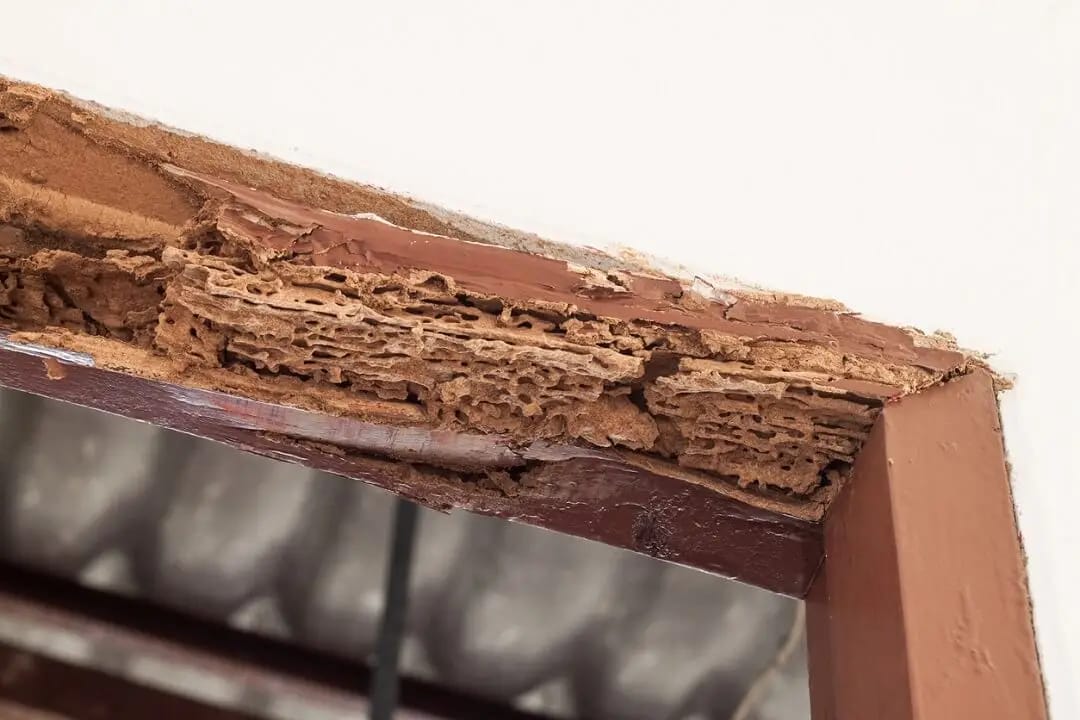
There’s a quiet thief working its way through Richmond homes right now, and it’s not picky about zip code. It doesn’t smash windows or trip alarms. It just sits in your window sills, your porch posts, your fascia boards — soft, slow, and patient — until one day you press a finger into what should be solid wood and it disappears like wet cardboard.
That’s wood rot. And if you’ve never dealt with it, consider this your warning shot.
Virginia’s Humidity Is Basically a Standing Invitation
Central Virginia gives wood rot everything it needs to thrive: sticky summers, soggy springs, and just enough freeze-thaw in winter to keep wood fibers stressed and vulnerable. Add a gutter that overflows in the wrong spot, a caulk line that cracked two years ago and got ignored, or a porch post that’s been soaking up splashback every time it rains, and you’ve built the fungus equivalent of a five-star resort.
The scary part? Rot doesn’t announce itself. It works from the inside out. By the time paint is bubbling or a board feels spongy underfoot, the damage is usually well ahead of what you can see.
Five Places Rot Loves to Hide in a Richmond Home
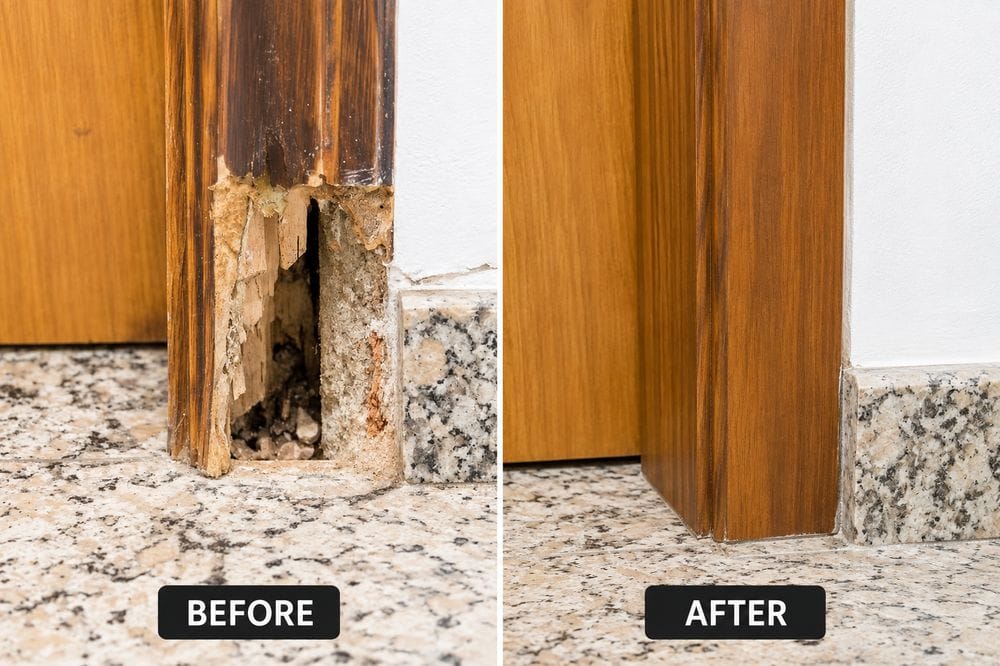
- Window and door frames — especially anywhere caulk has cracked or pulled away
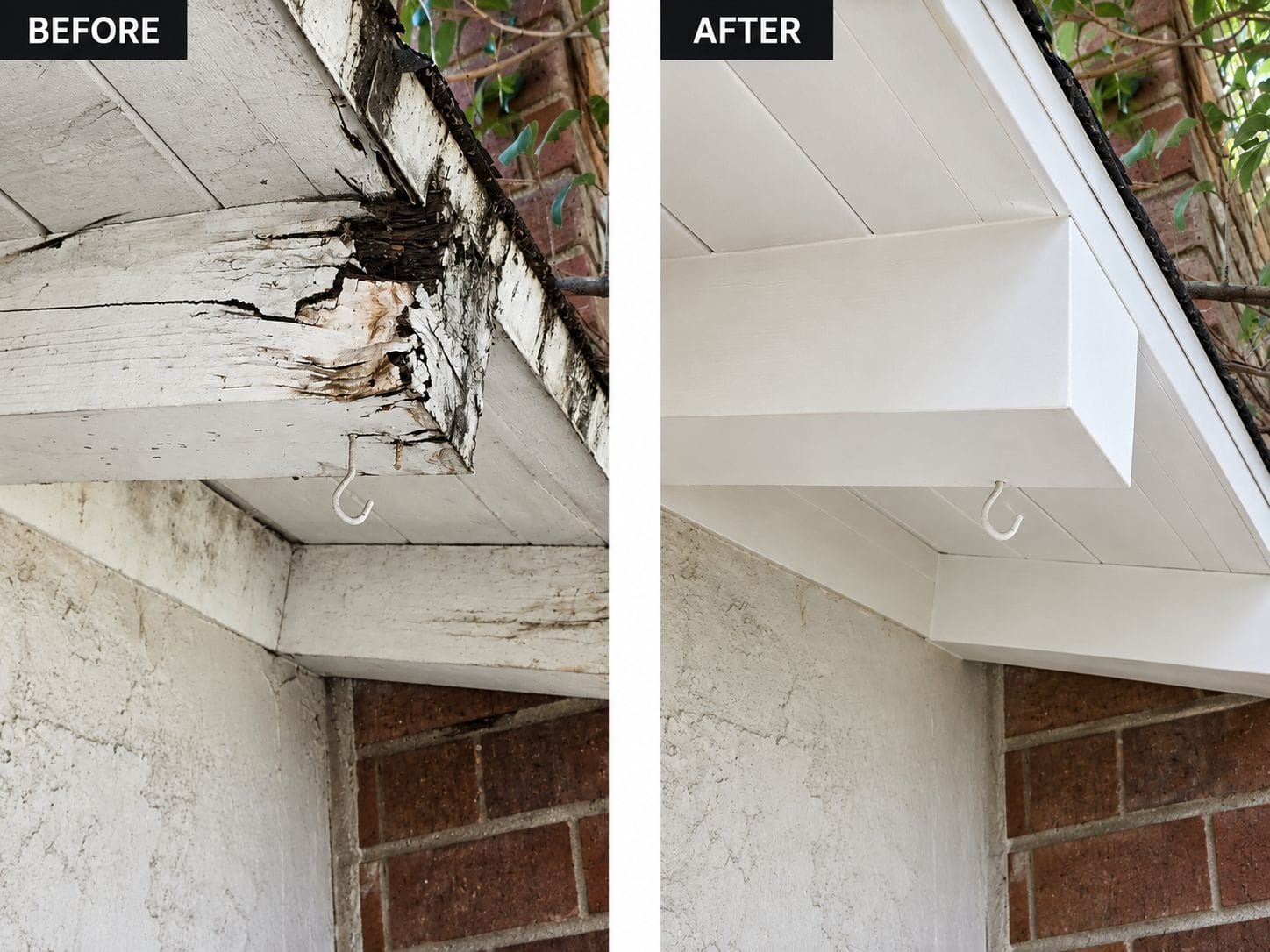
- Fascia and soffits — the unsung, unglamorous roofline boards nobody checks
- Porch posts and deck ledger boards — constant moisture exposure, constant risk
- Siding corners and trim — where two materials meet, water finds a way in
- Anywhere a gutter has ever overflowed — that repeat splash pattern is a rot roadmap
If any of these sound like a spot you’ve been meaning to “look at eventually” — that’s your sign.
Why DIY Wood Filler Isn’t a Fix, It’s a Snooze Button
We get it. A tub of wood filler and a putty knife feels like a weekend well spent. But filler on active rot is like putting a bandage over an infection — it looks better for a little while, then the problem resurfaces bigger and angrier, usually right around structural framing you really didn’t want compromised.
Real wood rot repair means removing every trace of the damaged, moisture-compromised material, addressing whatever’s letting water in to begin with, and rebuilding with materials that will actually hold. Anything less is just delaying a more expensive phone call.
The ECMJ Homes Approach
At ECMJ Homes, we treat wood rot repair as a two-part job: fix what’s broken, then fix what caused it. That means:
- A real inspection — not a glance, a proper check of the surrounding structure
- Complete removal of compromised wood, no shortcuts
- Rebuilding with rot-resistant materials matched to your home
- Sealing and painting to lock moisture out going forward
- Flagging the root cause — bad flashing, clogged gutters, poor drainage — so this doesn’t just happen again next season
We serve homeowners throughout Richmond and Central Virginia, and honestly, the jobs we love least are the ones that could’ve been a simple repair two years earlier but turned into a full rebuild because nobody called sooner.
Don’t Wait for the Soft Spot
If you’ve got a window sill that feels a little too easy to press into, a porch post with peeling paint, or fascia boards you haven’t actually looked at since you moved in — now’s the time.
Call ECMJ Homes at (804) 719-1657 or visit ecmjhomes.com for a wood rot inspection. Catch it early, and it’s a repair. Wait too long, and it’s a renovation.